


QR codes have established themselves as an essential technology in this digital age. They’re found everywhere on packaging for products, menus at restaurants, advertisements, event tickets, payment applications and even on billboards. One of the most remarkable things about QR codes is that many of the codes created up to 10-15 years ago continue to work perfectly today.
This raises a compelling question: how long do QR Codes last, and do QR Codes have expiration dates?
To answer this question, we need to look no further than the underlying intelligent design of QR technology. QR codes are intended for long-term dependability, which makes them a trusted option for businesses, marketers, educators, and everyday users.
In this article, we will examine why QR codes continue to work, QR code life expectancy in years, and finally how to develop QR codes that are intended for long term usage.
What is a QR Code?
QR Code is an acronym for Quick Response Code. This terminology refers to a two-dimensional barcode that encodes digital data in an easily scanned, machine-readable format.
Today, QR codes can be used for a wide variety of purposes throughout the world including payment transactions and advertising. QR codes store data both vertically and horizontally unlike standard, one-dimensional barcodes where data is stored only horizontally.
- Contact details (vCard)
- WiFi login credentials
- Product details
- Payment links
- Event tickets
- App download links
- Text messages
Because the information is encoded directly into the pattern, the QR code durability is significantly higher than many digital alternatives.
Structure Behind QR Code Durability
The way that QR codes are designed gives them the durability that they have.
A QR code may appear to be just a random assortment of square shapes in black and white, but each piece of the QR code has a specific purpose. Due to their constructed design, QR codes can be read by scanners regardless of how damaged or faded they may be.
The key elements of a QR code include:
1. Position Marker
There are three position markers located in each corner of the QR code that is the largest square. Position markers allow scanning devices to determine the code’s orientation and alignment.
2. Alignment Patterns
Alignment patterns are located towards the center of each of the four sides of the QR code and help the scanning device accurately read the code when the QR code is printed onto a curvilinear surface.
3. Timing Patterns
Timing patterns are alternating black and white modules within the QR code’s data grid. Timing patterns help the scanning device determine the QR code’s dimensions and form.
4. Data Modules
Data modules are the little black and white squares that hold the actual information that has been encoded within the QR code.
5. Quiet Zone
The white edge surrounding the QR Code allows the scanning device to retrieve the QR code’s image and distinguish it from the background.
The designed structure of a QR code is extremely important for the longevity of QR codes, allowing QR codes to be used effectively for many years despite natural wear of the QR code.
Technology That Makes QR Codes Last for Years
The following technological aspects contribute to the long life expectancy of QR codes:
The technology behind the creation of QR codes provides a means of longevity. Unlike traditional images, QR codes are actual data structures created according to internationally accepted standards.
ISO Standardized Encoding Procedures
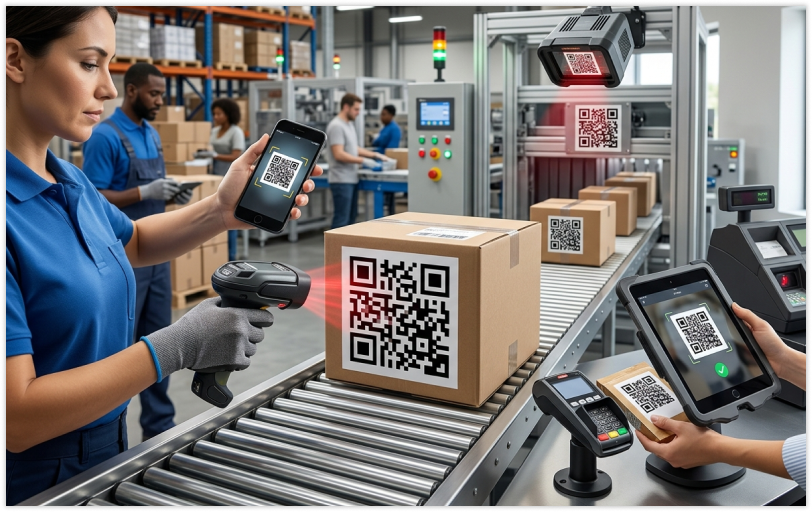
QR Codes use ISO to ensure that all devices throughout the world will read them in the same way. Because the structure of QR codes is standardized, a QR code made today will still be readable by future technologies. This ensures a long lifespan for a QR code and is one of the major reasons for the long-term relevance of QR Codes today.
Standardization also provides a degree of compatibility to a QR Code with the following devices.
- Cell phones
- Tablets
- Barcode Readers
- Industrial Equipment
- Point of Sale Terminals
Secret Behind QR Code Longevity
QR codes include built-in error correction technology using Reed-Solomon algorithms. This allows missing or damaged parts of the code to be reconstructed during scanning.
There are four error correction levels:
| Level | Damage Tolerance |
| L | Recovers 7% damage |
| M | Recovers 15% damage |
| Q | Recovers 25% damage |
| H | Recovers 30% damage |
Because of this feature, QR codes can still work even when:
- Printed on rough surfaces
- Slightly scratched
- Partially covered by stickers
- Faded due to sunlight exposure
- Printed on curved packaging
- Slightly distorted
This high tolerance significantly improves QR code durability and contributes to long-term usability.
Life Span of QR codes – Are They Static or Dynamic?
Knowing the distinction between Static QR codes and Dynamic QR codes can help to give you insight into how long QR codes will last.
Static QR code
A Static QR code has information directly stored within the design itself (inside of the pattern). Once they are created, they cannot be edited.
Static examples:
- Plain text
- Phone number
- Email Address
- WiFi password
- Permanent URL to website
As the information is embedded in static QR codes, they typically have unlimited life expectancy for QR codes. They work indefinitely as long as the content they are pointing to is still available.
Examples:
- QR code for plain text will work forever.
- QR code linked to the website will work as long as the website is live.
Therefore, Static QR codes will make great QR codes for long-term use.
Dynamic QR code
Unlike static QR codes, Dynamic QR Codes work by storing a short redirect URL to the final destination instead of storing it directly in the QR code pattern. This allows you to update the destination from there.
Benefits include:
- Change the link destination at a later time
- Tracking of scan analytics
- Change the content & not have to reprint your QR codes
- Optimize your campaigns
Dynamic QR code will not always work if the service provider goes out of business or the domain expires since they rely on external services to function. That is why people frequently ask whether QR codes will continue to work forever or if they will fail.
Why Do Old QR Codes Still Work Perfectly?
The longevity of QR codes is due to many different factors that increased their reliability over time.
The ability to scan a QR code is now built into most modern smartphones through their camera applications. People no longer need to install special applications to scan a QR code but scan directly via their camera application.
Both Android and iOS can natively support scanning QR codes. Their widespread support has contributed greatly to the longevity of these codes.
QR codes have the ability to store data offline. Therefore, data such as the following can be stored in a QR code:
- Text messages
- Contact Information
- Event Information
- WiFi Passwords
- Phone Numbers
Some QR codes do not require an internet connection to be functional. Therefore, they can continue to work indefinitely.
This is why QR codes continue to work in low connectivity areas.
QR codes can be printed on a variety of surfaces, including:
- Paper
- Plastic
- Metal
- Glass
- Fabric
- Wood
- Packaging
As long as there is enough contrast between the dark and light parts of the code, it can be read by a QR scanner. Good-quality QR codes that are printed well will continue to be durable after years of exposure.
When QR Codes Might Fail to Work?
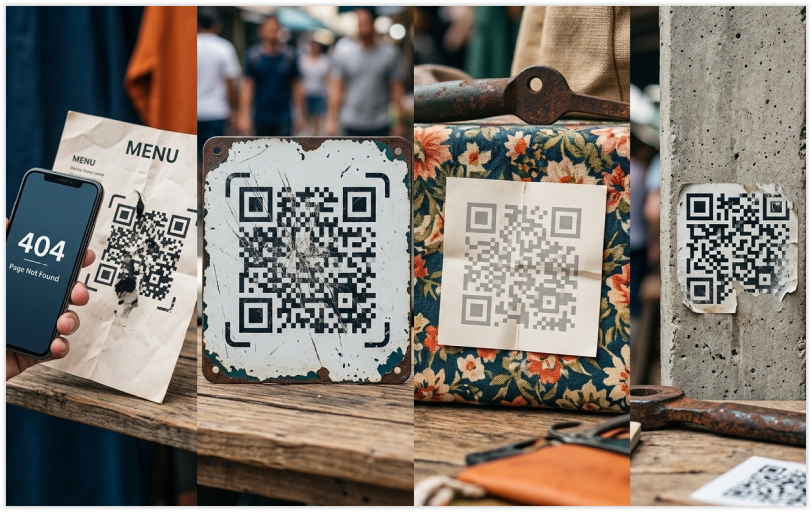
Many times, QR codes work as expected. But there are many reasons why QR codes could fail to function as designed.
Expired or Invalid URL’s
The main reason QR codes do not function properly is because of a broken URL.
For instance:
- URL’s address has expired.
- The web page has been deleted.
- URL’s address has changed.
- Hosting service has ceased operations.
.When any of the above situations happens, the QR code still scans properly. However, the web site or URL does not exist, causing confusion on how long would QR codes last when the QR code still works.
Physical Damage
If the QR codes become damaged by excessive force or distortion, then one will not be able to read the QR code, due to damage to the position markers.
Examples are:
- Torn paper
- Cracked or damaged position markers
- Very minimal fading
- Extremely poor quality printed QR codes
The QR codes are designed to withstand some minimal damage and distortion. However, there are limits to the amount of damage or distortion that will impede the scanning performance of the QR code.
Poor Design Practices
When bad design practices are followed; limited lifespan of the QR codes will occur. Errors with design practices include:
- Low contrast between the colour of the QR code and the background.
- Placing the QR code on a busy background.
- Printing large QR codes.
- Distorted Shape of the QR codes.
- Not having a quiet zone or margin around the QR code.
If one follows the proper design guidelines, the QR codes will provide many years of reliable service.
Ways to Create Effective QR Code
When trying to get the longest-term use from your QR code, follow these time-tested methods to give yourself the best chances.
Use High Error Correction Levels
Using higher levels of error correction means the QR code will stay readable longer even if some of the code becomes damaged.
Best Uses:
- Outdoor posters
- Packaging
- Industrial
- Marketing materials
Using higher levels of error correction will greatly increase how long your QR code lasts.
Use High Contrast
As a general rule, you want to use dark colours or high contrast against a light background.
Recommended Combinations:
- Black on white
- Dark blue on white
- Dark green on white
Avoid:
Light colours on white.
Gradients or backgrounds that will show up as busy behind the QR code.
Using high contrast will allow for better scanning reliability across different devices.
Use the Proper Size.
QR Codes should be the following recommended minimum sizes:
Use Case Suggest Size
Business cards 2cm x 2cm
Posters 3cm x 3cm
Billboards 10+cm
Packaging 2.5cm x 2.5cm
Using larger-sized QR Codes will usually make for easier to read QR Codes.
Keep Your Domain
If you are using QR Codes that lead to Websites:
- Make sure your domain is registered and renewed often.
- Don’t use temporary URLs.
- Use permanent links when feasible.
Doing this will enable your QR Code to be used for many years.
Test on Multiple Devices
- Once you create your QR Codes and are preparing to publish them.
- Test to make sure they will work with Android and iOS phones.
- Make sure to scan the QR Codes from multiple distances.
- Make sure to test the QR Codes in various lighting.
- Testing will improve the reliability of your QR Codes to last long-term.
What Will QR Codes Look Like in the Future?
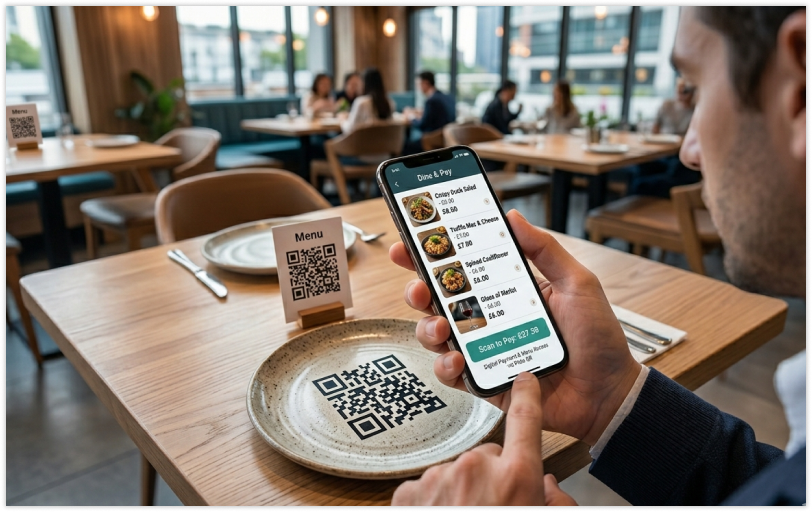
QR Codes are constantly being developed and improved. They will continue to have a purpose for years to come.
Some of QRs’s newer uses include:
- Digital payments
- Restaurant menus
- Event check-in
- Product authentication
- Smart packaging
- Augmented reality experiences
- Contactless information exchange
With their simplicity, low cost, and flexibility, the number of QR Codes being used will keep growing.
Most importantly, QR Codes can be used by anyone because no special hardware is required. QR Codes are one of the most accessible types of digital tools because of their widespread use and ability to confirm.
Due to their ability to adapt to any environment, QR Codes will continue to have an extended lifespan.
Final Thoughts
QR codes have such an extended lifespan because they have a very solid foundation overall in the use of technology. The fact that the structure of QR Codes is standard and have built-in error correction makes them a good choice for authenticating data across devices and areas of usage.
In the bottom line:
- QR Code’s do not expire at this time.
- Static QR Codes will last indefinitely into the future.
- Dynamic QR Codes will last as long as the links they point to remain active.
- A properly designed QR Code will last longer than an improperly designed QR Code.
- QR Codes that are hosted in a secure manner and stay updated will remember the information being hosted and can be used again.
- QR codes can be scanned in almost any condition due to the QR Code having built-in error correction.
When implemented properly, QR Codes can be functional for decades, providing businesses with a perfect way to provide information for an extended period of time.
FAQs
- How long do QR codes stay active ?
The length of time that a QR code will remain active varies. However, QR codes do not have an expiration date. In many cases, whether or not the QR code remains active largely depends on the availability of the content to which it links, as long as the data or content is not changed, static QR codes can last for decades.
2. Is it possible for a QR code to stop working?
A QR code’s ability to function may cease to exist if its linked content has been deleted, the URL has expired, or the QR code has been damaged. That said, QR structure itself has been shown to have remarkable durability for many years.
3. Can a QR code be permanent?
Due to the embedded nature of information within QR codes, static QR codes can last forever. Therefore, static QR codes are able to be used for an extended period of time in printed material or packaging due to their exceptional longevity.
4. How to make a QR code that works forever?
To ensure the maximum life of your QR code, make use of a static QR code, create strong contrast between the QR code and its background, use high-error correction levels, and keep all linked content and/or URL alive. Using proper design will greatly increase the reliability of your QR code when used at a long-term level.