


You may be familiar with QR codes as a common feature in restaurants, payment applications, and online shopping. When we walk into a hospital or see a hospital’s operating room or pharmacy, they could be viewed as the most boring part of a hospital and are generally interpreted as a means of marketing. However, thanks to the way healthcare operates by requiring rapid speed, precision of services provided, etc., QR codes are quickly evolving from a marketing tool to a powerful tool for improving safety and operational efficiency within a healthcare facility.
Healthcare is built on the principles of consistent speed and precision of services provided. Therefore, a process in which a person enters an assumed name is likely to take longer than a fast and accurate way to create an electronic record, and many of these processes are subject to human error that can ultimately affect patients’ lives. The Quick Response (QR) Code is the answer to this systemic challenge of inefficiency; this technology enables efficiency, cost reduction, and acts as an immediate, definitive, data link that saves lives. It’s not just about better management; it’s about making patient safety.
How QR Codes Revolutionizes Patient Safety
QR codes are mainly utilized at the point of care to provide rapid and reliable access to important information for immediate use in patient care. They effectively establish an electronic safety net for our most fragile populations.
Digital Wristbands
Gone are the days of relying solely on verbal affirmations or easily fading ink to identify a patient. Today’s hospitals employ “digital wristbands” outfitted with a unique QR code assigned specifically to each patient. When clinicians need to verify a patient’s documents file prior to administering medications, conducting procedures, or obtaining samples, they simply scan the QR code with a hand-held device.
Once the QR code is scanned, it electronically pulls the entire electronic medical record (EMR) or electronic health record (EHR) of that patient. The EMR/EHR will show the full name, date of birth, current medical condition, as well as any pertinent/allergic medications. The availability of immediate access to this critical information can save patients from losing their lives, especially those that are either unconscious, are confused, or cannot articulate their medical histories. The reliance on manual search and verification is no longer necessary, reducing the time it takes to treat patients and eradicating the occurrence of “wrong patient” incidents.
Medication Verification
Administration of medication involves the verification of five important checks called “The Five Rights,” which are specified by Healthcare Standards, in order to minimize medication errors. The checks are as follows:
- Right Patient: Data must be obtained from the patient’s identification bracelet to identify who is to receive the medication.
- Right Drug: The nurse must confirm that the medication she will administer is what the Physician has ordered for that particular patient.
- Right Dose: The nurse must verify the amount of medication that is required for the patient to receive, and that it is in accordance with the order.
- Right Route: The nurse must ensure that the medication is being administered through the correct route i.e., orally, intravenously, or topically.
- Right Time: The nurse must make sure that medication is given at the right time as determined by the medication schedule.
There are also alerts for anything that might affect the drug’s effectiveness at delivery, eg. medication expired, patient allergic to it, over-dose of medication. This helps to eliminate errors at point of care because it automates what was previously done manually by creating an automated confirmation check, which is essential for effective utilization of medication.
Blood Transfusion Safety
The most important example of how both of these processes work together is with blood transfusions. If the patient receives the wrong type of blood, it is inadequate in health-care situations. QR codes serve to supply an unbreakable evidence chain of the blood product from the time it is taken from the donor all the way to final delivery to the receiving patient.
Each blood product bag has an affixed QR code so the blood can be tracked through the entire blood delivery process, from donor to the blood bank, to the emergency room, to the patient’s bed side. When the blood is scanned, the system confirms the blood is compatible with the blood type of the intended recipient and checks against all recorded crossmatch tests before completing the check in of that blood product for delivery.
Therefore, each blood product can be traced all the way through to its final recipient ensuring full and complete safety throughout the transfusion process.
Efficiency of Operations & Cost-cutting Solutions
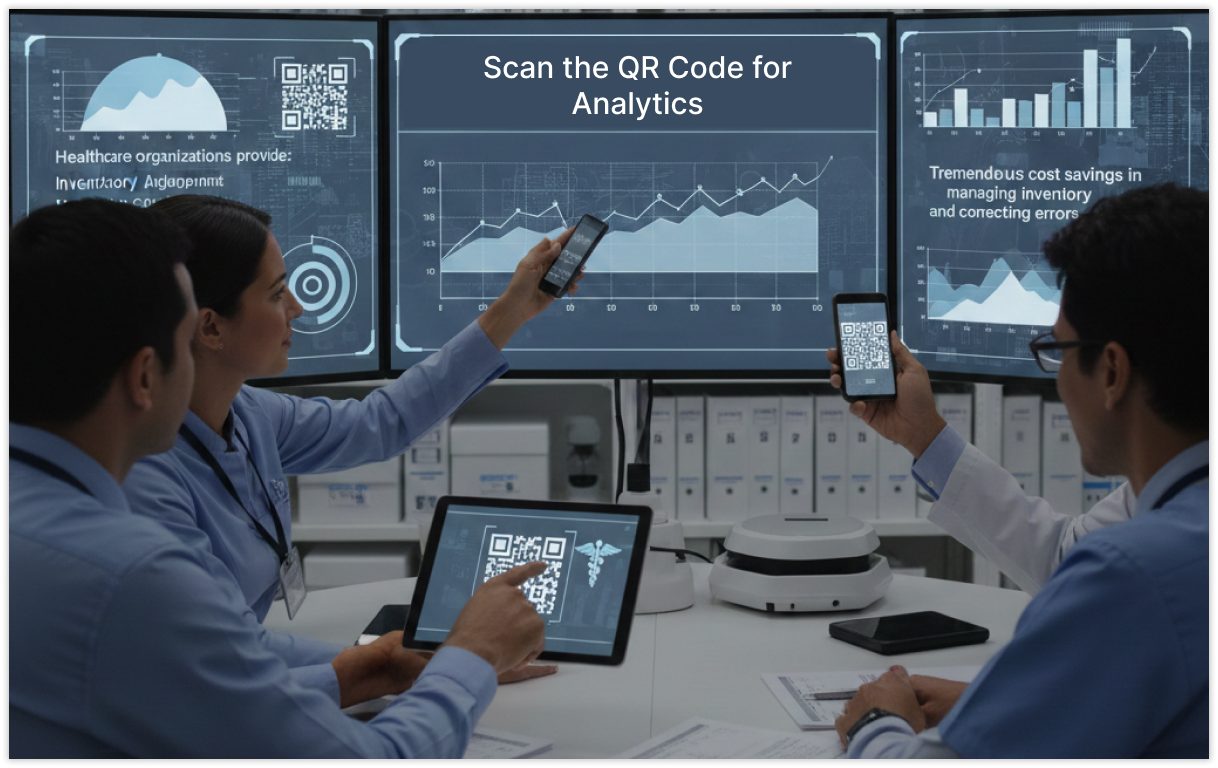
QR manages it with greater efficiency and smarter Hospitals. The amazing ability to utilize QR Codes goes beyond bedside solutions! QR Codes will help healthcare organizations provide Management, Inventory Management, and Reduce Administrative Costs associated with the tremendous costs of managing the inventory and correcting errors.
Management of Inventory
Barcode Identifiers are limited to a standard/linear inventory item identification number; whereas, a QR Code can contain thousands of Alphanumeric characters so a QR Code is used to assist with Complex Medical Inventories such as Specialized Implants, Surgical Kits or products that are regulated.
What is also great about using QR Codes for medical inventory management is that through the creation of a QR Code, healthcare providers will now have the ability to:
- Manage Expiration Dates: In addition to the lot number, a QR code can now store the expiration date of a medical product. By utilizing QR codes to flag items that are getting close to being expired, medical waste will be reduced as well and the cost related to discarding usable medical products will also be reduced!
- Stock Levels in Real Time: When a medical product arrives and when it is used, if it is scanned, an accurate and timely view of that medical product will be provided. No longer do the personnel at a hospital have to hunt down the correct supply when it is critical to a patient’s care, nor will they now have to buy more products than are required. This ability to check stock levels is critical for the life-saving, expensive drugs that are kept in the stock of hospitals.
Equipment Tracking
In a hospital, there is so much going on it can be very hard to keep track of what equipment belongs to where, especially when it comes to expensive medical devices. It’s no secret that getting these types of devices back to the proper location takes a huge amount of staff time and creates delays in providing care to patients when there is no immediate access to them. A way to mitigate this issue is by placing a QR code on the equipment, so when it is scanned – it will provide instant access to all of the equipment’s usage history.
When scanning the equipment using the QR code, staff would see the following information:
- The last known location of the equipment (i.e. where it was used last)
- The maintenance status of the equipment (i.e. when the next maintenance service is scheduled to occur)
- The condition of the equipment (i.e., whether the equipment is cleaned and ready for use by the next patient)
By providing access to this information in a simple digital format, staff do not have to spend countless hours searching for equipment they need, which results in decreased negative impact on the patient flow due to equipment delays and equipment availability. It also provides an organized and digitally managed work environment on the hospital floor instead of the unorganized and confusing environment created by having to locate equipment without the help of digital tracking.
Streamlined Laboratory Samples
A long-standing issue in the diagnostic field is lab sample mix-ups or incorrect lab sample labeling. Whether a sample is blood, tissue, or urine, any error in labeling causes a holdup in diagnosing a patient, wasting resources, and sometimes, results in patients having to endure a more invasive re-testing procedure that may have been unnecessary. QR Codes allow for creating an error-free sample label immediately at the time of collection of the sample and each unique QR Code is linked to the patient’s medical record.
Using QR Codes supports creating machine-readable labels that reduce human input error and ensure that all lab results are uniquely associated with the proper patient. Furthermore, by connecting the generated business QR Code to a secure messaging platform like WhatsApp, labs can establish a direct, digital channel for result delivery. This innovative connection between the QR Code, the lab result, and the patient creates an unbreakable bond between the sample, the test, the diagnosis, and the secure delivery of the document report directly to the patient’s phone.
How QR Codes Improves Patient Experience and Engagement
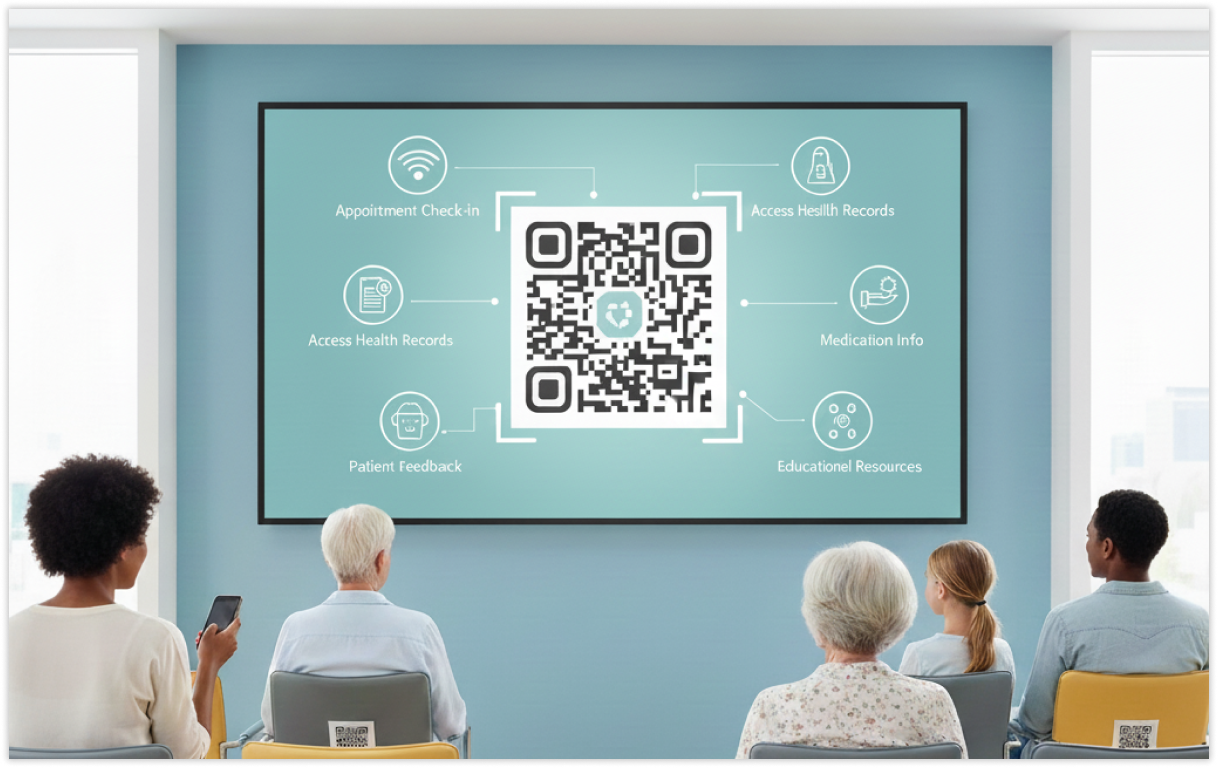
Patients are empowered through the use of QR Codes; they are now able to digitally access their diagnostic information in a single place. It provides improved transparency between the patient and the healthcare provider as well as a more engaging experience for all involved.
Digital Discharge Instructions
Hospitals are now providing one QR code through the discharge paperwork. When scanned, that code sends the patient directly to their online personalized patient portal. That portal is not merely a static PDF; it is fully interactive and offers the following:
- Interactive Guides – Video demonstrations of how to perform the tasks of dressing change and administering vaccinations.
- Follow-up Schedules – Automated reminders to schedule future appointments and links for scheduling those future appointments.
- Medication Visual Aids – Pictures and textual explanations of the new medications prescribed for the patient.
This Digital approach to discharge instructions allows patients to have access to consistent high Quality information when they require it…having access to quality Information has increased Compliance with Discharge Instructions significantly reducing the chances of patients being readmitted due to post discharge confusion.
Checking In and Registering as a Patient
Filling out forms in the traditional wait area at most clinics is a painful, time-consuming process; you have to use a pen and clipboard. Most people feel this way after they go through the same thing a month or two ago at their last check-up.
But many organisations use QR codes to bypass these burdensome processes. Patients receive a whatsapp message by scanned QR code, shortly before their appointment. When they arrive at the clinic, they go to the camera and scan their QR code; the system recognizes the patient and verifies the patient’s insurance with minimal input of updated information since the last visit without going through repetitive manual entry. Consequently, QR codes help reduce wait time, minimize check-in time, and reduce anxiety associated with arriving at the clinic.
Integration of Telemedicine
Telehealth was an already well-accepted form of treatment; however, telehealth continues to be the most challenging aspect for patients and physicians: Finding your way into virtual consultations can be very frustrating! A patient may have to enter several pieces of information to get into the video visit, such as meeting ID numbers, passwords, and a link to an app.
QR codes remove these barriers to entry; patients will receive a QR code with a link just before the appointment. Scanning the QR code, verifies the patient’s identity, and directly places the patient in the physician’s virtual waiting area.This seamless integration ensures less time is wasted troubleshooting technology and more time is spent on actual care.
In conclusion
The black square that originally came from Japan’s logistics industry has now become a core component of today’s Healthcare. QR codes have proven advantages for multiple parties – increased safety due to reduced risk of human error in critical processes like administering medication or blood transfusions; improved patient experience through elimination of unnecessary steps and increasing the efficiency in operation; and overall a shift toward the Digital Healthcare Ecosystem, providing an ever-present Digital Verification process.
Looking further ahead, the possibilities for utilizing QR codes are endless! Consider how QR codes will be attached to smart pills that will allow for tracking dosages and adherence levels or how QR codes will be linked to Wearable Health Devices to allow Clinicians to access Continuous Patient Reported Outcome Data during Wellness Checks. As the landscape of Data Security continues to evolve rapidly, the QR Code’s ability to securely hold Rich Information and provide an Instantaneously Accessible Digital Connection will continue to grow.
The stakes in healthcare have never been higher. By adopting a technology that is both Simple and Powerful, we are creating a path to a Future where Maximized Efficiency, Minimised Cost, and Patient Safety. The age of the Manual Clip Board is gone; the age of Instant, Accurate, Scannable and Digital Verification has just begun.
FAQs
- How does QR code technology help prevent errors within a hospital environment?
QR codes assist by allowing for immediate, electronic verification of the patient’s identification as well as the medication given and the blood products administered through real-time digital verification, helping to eliminate errors caused by manual entry.
2. What do QR Codes verify, concerning the Five Rights?
The Five Rights refer to Right Patient, Right Drug, Right Dose, Right Route, and Right Time. which are designed to support the safety of medications.
- Does QR code technology only pertain to patient identification?
No, QR codes can be used in relation to tracking the location of high-value medical devices, monitoring inventory expiration dates, and expediting the process of sending laboratory specimens.
- How does QR code technology elevate the overall patient experiences?
QR codes reduce the time patients must wait to check-in for appointments, present patients with digital and interactive discharge instructions, and facilitate telehealth usage.
- Is QR code technology secure?
QR codes connect hospitals to secure areas containing sensitive patient data stored within hospital electronic medical records (EMR) or electronic health records (EHR), providing users with quick access to protected information without having to store sensitive information in an unsecured manner.